
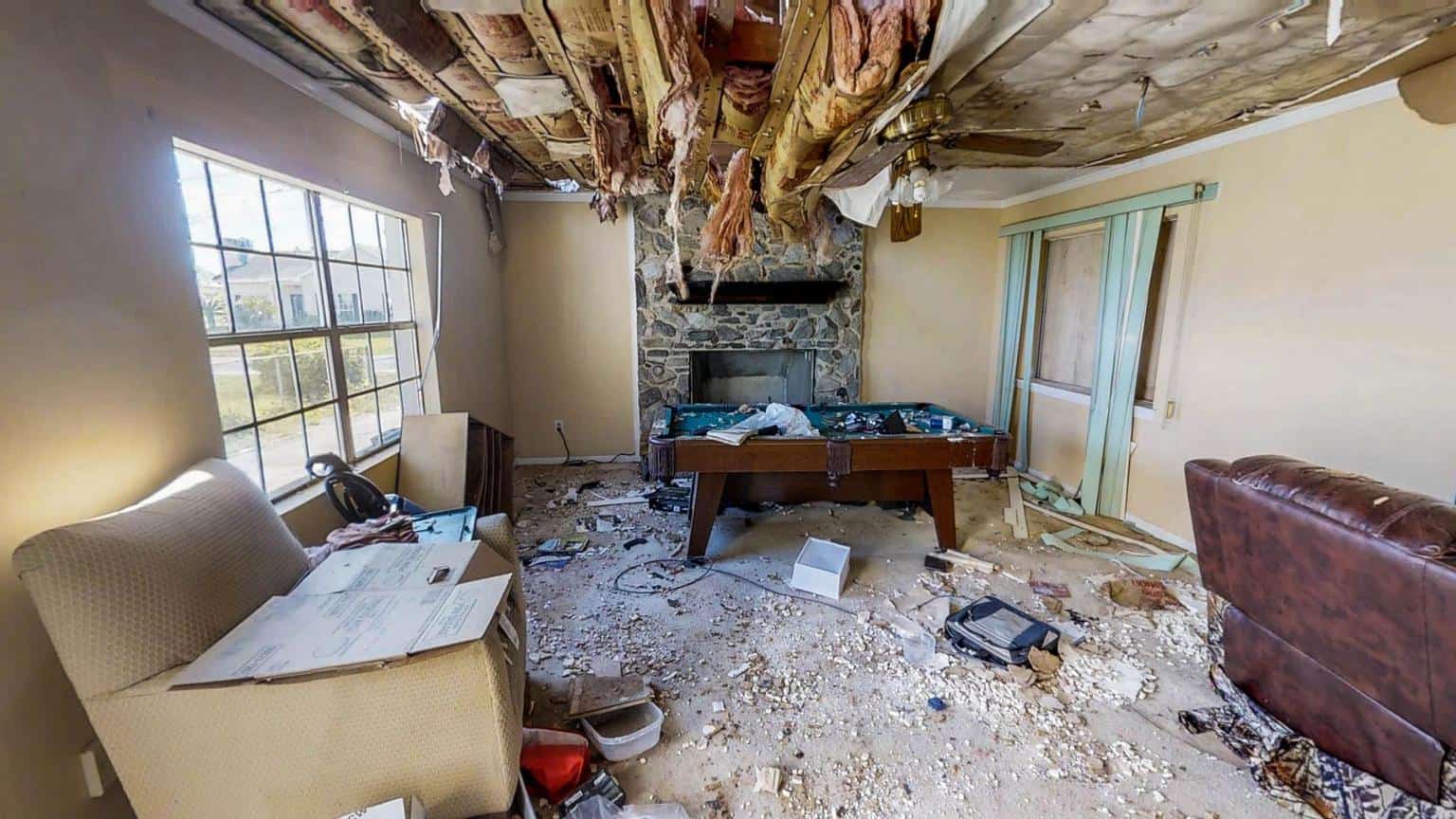
When disaster hits, the first hours are critical. Assessing structural damage quickly can save lives, reduce risks, and prevent further property loss. Here’s what you need to know:
- What It Is: A rapid evaluation of buildings and infrastructure to identify visible damage and hazards.
- Why It Matters: Helps prioritize evacuations, repairs, and resource allocation.
- How It’s Done: Quick surveys, visual inspections, and standardized reporting by trained teams.
Key Steps:
- Safety First: Use protective gear, inspect for hazards, and coordinate with emergency services.
- Stabilize the Property: Board up windows, tarp roofs, and remove water to prevent further damage.
- Document Everything: Take photos, videos, and notes for insurance and recovery purposes.
- Conduct Assessments: Start with a quick overview, then inspect load-bearing structures, utilities, and interiors.
- Report Findings: Share detailed reports with emergency teams, insurers, and property owners promptly.
Pro Tip: Work with certified restoration experts for faster recovery and compliance with safety standards.
Damage Assessments – Part 1: Introduction
Safety Measures Before Starting the Assessment
Before diving into initial damage assessments, securing responder safety is absolutely critical. This step lays the foundation for effective and informed decision-making while minimizing the risk of injuries. It’s worth noting that over 60% of disaster responder injuries occur during the initial response phase.
Personal Safety First
Never enter a damaged structure without the right personal protective equipment (PPE). Essential PPE includes a hard hat, steel-toed boots, safety goggles, work gloves, an N95 respirator (especially in environments with dust, mold, or chemicals), and a high-visibility vest.
Carry a flashlight with extra batteries and gas detectors to identify hidden dangers. If you’re working around unstable elevated surfaces or potential fall hazards, fall arrest gear is non-negotiable.
Always inspect the exterior of a structure before entering. If you detect gas odors, exposed electrical wires, or signs of structural instability, evacuate immediately and notify emergency services. According to the CDC, structural collapses and electrical hazards are among the leading causes of fatalities during post-disaster assessments in the U.S.. These risks highlight why rushing into a damaged building, no matter how urgent it seems, can be a deadly mistake.
Working with Emergency Services
Once you’ve secured your personal safety, it’s time to collaborate with local emergency services for a thorough hazard evaluation. Before starting any assessment, contact fire departments, police, and utility companies to confirm that the area is safe for entry and that utilities like gas and electricity have been properly shut off. These professionals offer critical updates on hazards you might not notice, such as compromised gas lines or unstable electrical grids.
Follow established incident command protocols when they are in place. Many emergency operations use a unified command structure, so your work should align with these broader efforts. Always report to designated safety officers or incident commanders and familiarize yourself with the communication protocols specific to your area.
Teamwork is essential. Never conduct assessments alone in hazardous environments. Maintain constant communication with emergency operations centers or your designated command post. Set regular check-in times and stick to them. If you encounter any dangerous conditions during your assessment, leave the area immediately, alert emergency services, and ensure others stay clear until the hazard is addressed by trained professionals.
For example, in Colorado Springs, certified restoration experts like Old World Restoration and Carpet Cleaning work hand-in-hand with emergency services to ensure all safety measures are followed during initial assessments. Their 24/7 availability allows them to quickly secure properties and identify less obvious hazards, such as water or fire damage and biohazard contamination.
Document and report all safety concerns as soon as possible. Use standardized checklists when available, and avoid attempting repairs or hazard mitigation yourself. Your primary responsibility during the initial assessment is to identify and report issues – not to fix them. Leave the resolution of hazardous conditions to professionals equipped with the necessary training and tools.
With these safety protocols and coordination efforts in place, you can proceed to conduct a systematic damage assessment.
Securing the Property to Prevent Further Damage
Once safety protocols are in place, the next step is to stabilize the property to prevent additional harm. Acting quickly is essential, as secondary damage often surpasses the initial structural issues. According to FEMA, water damage is one of the most common causes of property loss after disasters, and addressing it within 24–48 hours can cut restoration costs by up to 40%.
Temporary Repairs and Stabilization
Start with temporary fixes to protect the property:
- Board up windows and doors to keep out weather and intruders.
- Tarp damaged roofs immediately to stop water from getting inside.
- Address water intrusion quickly – standing water should be removed with pumps or wet vacuums, followed by dehumidifiers and fans to dry the area. Mold can begin forming within 24–48 hours.
Clear hazardous debris only if it poses an immediate threat, such as broken glass, fallen ceiling material, or objects blocking exits. Avoid disturbing structural elements unless you have the proper training and tools. If walls or supports are compromised, mark these areas as unsafe and call in professionals.
| Stabilization Priority | Typical Cost (USD) | Primary Purpose |
|---|---|---|
| Board-up (windows/doors) | $200–$1,500 | Prevent weather exposure, theft, and damage |
| Roof tarping | $200–$1,000 | Stop water intrusion |
| Water extraction/drying | $1,000–$4,000 | Prevent mold growth and structural issues |
In Colorado Springs, certified restoration companies like Old World Restoration and Carpet Cleaning offer 24/7 emergency services. These experts handle water damage, fire damage, and biohazard cleaning while ensuring compliance with local building codes and insurance requirements.
Once stabilization is complete, document all damage before beginning the cleanup process.
Recording Damage
After the property is stabilized, it’s crucial to document all damage thoroughly. This step is vital for insurance claims, federal or state disaster assistance, and determining the full scope of loss for legal purposes. Without detailed documentation, property owners may struggle to prove the extent of their losses.
Here’s how to document effectively:
- Use high-resolution photos and videos to capture all affected areas. Take wide-angle shots for context and close-ups for specific damage, including scale references.
- Focus on structural elements, utility damage, personal property losses, and any temporary repairs.
- Record detailed notes alongside your visuals. Include the date, time, weather conditions, and observations for each area. If available, use standardized forms from your insurance company or local emergency management agency. Be sure to describe the type and location of damage and any immediate actions taken.
Organize and timestamp all documentation for easy access during insurance claims or legal proceedings. Store copies in multiple locations, such as cloud storage, and share them with your insurance adjuster promptly. Keep receipts for temporary repairs and mitigation expenses, as many insurance policies reimburse these costs.
Emergency management agencies often perform "windshield surveys" after disasters, using standardized checklists to assess damage quickly. You can adopt a similar method by systematically working room by room, moving from the exterior to the interior. This approach ensures no damage is overlooked and helps restoration professionals address the issues effectively.
Steps for Conducting the Initial Structural Assessment
Once stabilization efforts are complete and documentation is in place, the next step is to carry out a structured assessment of the building’s integrity. This process must be thorough to ensure no critical damage is overlooked. Start with a windshield survey, which involves a quick drive-by or walk-through to identify immediate hazards and assess the overall extent of damage. This initial pass helps prioritize areas for detailed inspection and flags any life-threatening dangers that require urgent attention.
Emergency management agencies often use this approach to make the most of limited resources and quickly identify critical issues. The assessment should proceed systematically, starting from the building’s exterior and moving inward, focusing on structural components that directly impact safety and usability. After this initial overview, conduct a detailed visual inspection to identify specific vulnerabilities.
Visual Inspection Checklist
A proper visual inspection covers all major structural elements, starting with the most critical. Load-bearing structures should be the top priority since damage here can jeopardize the entire building’s stability.
- Foundation and basement: Inspect for new cracks, shifts in foundation walls, or signs of water intrusion, which can compromise the structure. Look for debris impact damage, especially after floods or storms, as foundation issues often signal deeper structural problems.
- Roof and upper structure: Check for missing or damaged sections, sagging areas, and weakened supports. Pay close attention to where the roof meets the walls, as these joints are especially vulnerable in severe weather.
- Exterior and interior walls: Look for visible cracks, bulging, or shifts. Small cosmetic cracks may indicate settling, but larger or stair-step cracks suggest significant structural movement. Watch for water stains or other signs of moisture issues.
- Windows and doors: Misaligned windows or doors that won’t close properly can point to foundation settlement or wall movement. These details often reflect the building’s overall stability.
- Utility connections: Inspect gas, electrical, and water lines for damage. Broken or compromised utilities can pose immediate safety risks and complicate restoration efforts.
For properties affected by flooding, focus on water pressure damage and debris impact on walls and foundations. Standing water can create hydrostatic pressure, leading to cracks and weakened supports. The longer water remains in contact with building materials, the more severe the damage.
Once visual issues are identified, use standardized tools to document and categorize the damage accurately.
Using Standard Assessment Tools
Accurate documentation is crucial for assessing damage and filing insurance claims. Standardized checklists and forms are invaluable for capturing all necessary details and categorizing the severity of damage. FEMA and local emergency management agencies often provide specific forms for this purpose.
Damage typically falls into three categories: minor (cosmetic or easily fixable), major (structural but repairable), and destroyed (total loss or uninhabitable). For example, superficial wall cracks might be classified as minor, while collapsed load-bearing walls would fall into the destroyed category. Clear criteria ensure consistent evaluations across different assessments.
Digital tools and mobile apps designed for disaster assessment can simplify the process. These tools often include features like photo integration, GPS tagging, and automatic report generation, allowing for real-time data sharing with emergency management agencies.
| Damage Category | Typical Indicators | Occupancy Status |
|---|---|---|
| Minor | Surface cracks, cosmetic damage, minor water intrusion | Safe for occupancy with repairs |
| Major | Structural damage but repairable, significant water damage, compromised non-load-bearing elements | Unsafe until repairs completed |
| Destroyed | Collapsed load-bearing structures, severe foundation damage, total loss | Condemned, unsafe for entry |
When filling out assessment forms, include details such as the cause of damage, the extent of property loss, the current safety status, and any recommendations for emergency measures. This information helps allocate resources effectively and determines eligibility for state or federal assistance programs.
Marking systems, like placards or signage, are also key for communicating a building’s safety status to responders and the public. These indicators prevent unauthorized access to unsafe areas and help prioritize restoration efforts. In Colorado Springs, companies like Old World Restoration and Carpet Cleaning offer specialized services to identify hidden damage and recommend stabilization measures during assessments.
All assessment forms and reports should be forwarded promptly to the appropriate emergency operations center and included in the master event file for insurance and recovery purposes. Timely communication ensures that critical safety information reaches decision-makers and supports an organized disaster response. These findings also guide rapid restoration efforts and help shape future mitigation strategies.
sbb-itb-401327a
Reporting and Communication of Findings
After conducting your assessment, it’s crucial to share your findings quickly with emergency operations centers, insurance providers, and property owners. Timely reporting can mean the difference between a fast emergency response and dangerous delays. The data you collect must be presented in a way that allows these parties to take immediate action.
Different groups have distinct information needs. Emergency management teams prioritize public safety risks and resource allocation. Insurance providers require detailed descriptions of damage and cost estimates. Property owners need clear explanations of safety issues and guidance on recovery steps.
Key Information to Include in Reports
To ensure your structural damage assessment report is both useful and compliant with emergency management standards, it must include specific details:
- Location details: Provide the exact address and GPS coordinates. This ensures emergency responders can locate the property quickly, even in areas where street signs are damaged or missing.
- Structure type identification: Specify whether the report is about a single-family home, apartment building, commercial property, or public facility. This information helps responders prepare appropriately, as each structure type has unique safety and resource considerations.
- Detailed damage description: Avoid vague language. Instead of saying "roof damage", specify something like, "Partial roof collapse in the southwest corner with exposed structural beams and water intrusion affecting approximately 400 square feet of interior space." Such precision helps authorities grasp the scope and urgency of the situation.
- Severity classification: Use recognized categories such as FEMA’s Affected, Minor, Major, or Destroyed classifications. For example, "Affected" means minimal damage with the property still habitable, while "Destroyed" indicates the structure is uninhabitable or a total loss.
- Potential hazards: Highlight any risks that could threaten responder safety or public welfare. For instance, "Live electrical wires exposed in the basement" or "Gas odor detected near the kitchen, indicating a possible line rupture". These details help emergency teams prepare necessary safety measures.
- Supporting documentation: Attach photos, maps, and completed damage survey worksheets. These additions make the report more robust and easier to process for agencies.
- Weather conditions: Note the date, time, and weather during the assessment. This information can help determine whether damage is related to the recent event or pre-existing issues. Include the names of assessment team members for accountability.
Once all these details are compiled, submit your report without delay.
Submitting Reports to Authorities
Timeliness is critical when submitting reports. Emergency operations centers should receive findings within hours of completing key assessments. Quick reporting can save lives by informing authorities of structural risks, utility hazards, or other immediate threats.
Start by submitting your findings to the emergency operations center (EOC). These centers coordinate responses across multiple agencies, including fire departments, police, and utility companies. Digital submissions are preferred, but hard copies can be used if necessary. Many jurisdictions employ specialized software that integrates standardized forms, photos, and mapping data into a single upload, allowing real-time updates to stakeholders and minimizing delays.
Insurance reporting follows a different process. While safety-related information goes to authorities immediately, insurance reports are typically submitted within 24 to 72 hours, depending on policy requirements. These reports should focus on detailed descriptions of damage, estimated repair costs, and an inventory of affected items.
For insurance purposes, include precise measurements, material descriptions, and photos that clearly show the extent of the damage. This level of detail supports accurate claim processing and helps avoid disputes over coverage.
Privacy considerations are essential when sharing reports with multiple parties. Only authorized personnel should access full reports containing personal or sensitive information. Publicly shared data must comply with local and federal privacy regulations, with sensitive details redacted.
In Colorado Springs, certified restoration professionals like Old World Restoration and Carpet Cleaning often assist property owners in meeting documentation requirements for both emergency and insurance reporting. Their expertise ensures reports are thorough and adhere to local standards, aiding in efficient recovery efforts.
Ongoing communication may be necessary as conditions evolve or new damage is discovered. Set up clear channels for updating your initial reports, and notify all relevant parties when new information becomes available. This ensures that everyone remains informed throughout the response and recovery process.
Working with Restoration Professionals for Mitigation and Cleanup
Once you’ve secured your property and documented the damage, the next step is to bring in professional restoration services. After completing your initial structural damage assessment and submitting reports, it’s time to transition from evaluation to action. This is where skilled restoration professionals step in, offering expertise that goes beyond what most property owners can handle on their own.
Acting quickly after water damage can save up to 40% in restoration costs and prevent mold growth within 24–48 hours. This tight timeframe makes choosing the right professionals a critical, time-sensitive decision. Certified experts are essential to ensure thorough remediation and to minimize both recovery time and expenses.
Why Certified Restoration Experts Matter
When it comes to restoration, certification matters. Professionals with IICRC certification have undergone extensive training in areas like water damage restoration, fire and smoke cleanup, and microbial remediation. This certification ensures that they follow strict industry protocols and use advanced tools – such as moisture meters, infrared cameras, and air movers – to identify hidden moisture and structural problems. These methods lead to more effective and reliable restoration outcomes.
Studies show that properties restored by certified professionals recover up to 30% faster and with 20% lower costs. Beyond efficiency, certified experts adhere to safety and regulatory guidelines for handling hazardous materials, waste disposal, and structural repairs. This ensures the work is not only thorough but also compliant with insurance and legal standards.
Local Expertise in Colorado Springs
In addition to certification, local knowledge plays a crucial role in effective restoration. Colorado Springs presents unique challenges, from summer thunderstorms to harsh winter conditions, which can result in specific damage patterns. Experienced local professionals understand these regional issues and are well-versed in El Paso County’s building codes and regulations, ensuring restoration work meets all compliance standards.
A standout example in Colorado Springs is Old World Restoration and Carpet Cleaning. This family-owned business combines IICRC certification with years of local experience to deliver fast, reliable service. Their emergency response times – often within 24 hours – ensure that damage is addressed promptly and professionally.
Old World Restoration offers a wide range of services tailored to the types of damage commonly seen in the area. For water damage, they provide rapid extraction, flood cleanup, and leak repairs. In fire-related cases, their services include smoke damage cleanup and essential testing for asbestos and lead in older buildings. If moisture lingers beyond 48 hours, their certified mold remediation services handle everything from testing and containment to prevention, reducing health risks and preventing future issues. They also specialize in biohazard cleanup, following OSHA standards to safely manage contamination risks.
What sets Old World Restoration apart is their ability to integrate multiple services under one roof. By handling everything from structural stabilization and water extraction to carpet and air duct cleaning, they simplify the process for property owners. This streamlined approach reduces the need to coordinate multiple contractors, minimizes disruptions, and ensures consistent quality throughout the restoration process.
Additional services like emergency board-up solutions provide immediate security for damaged properties, preventing further deterioration while restoration plans are developed. With the U.S. restoration industry valued at over $210 billion annually and growing demand for 24/7 response, choosing certified professionals with local expertise has never been more important.
When selecting a restoration provider, property owners should look for IICRC certification, confirm emergency availability, assess local experience, and request references. Services like free estimates, insurance-approved work, and claims assistance can make the recovery process even smoother.
Finally, effective communication is key. Restoration professionals should work closely with emergency services, insurance adjusters, and property owners to ensure the process runs smoothly. Clear documentation, access to affected areas, and detailed safety briefings are essential to completing the work efficiently and meeting all regulatory and insurance requirements.
Conclusion
Assessing structural damage quickly and effectively is crucial for protecting lives and property. It ensures safety, enables a swift response, and creates accurate documentation – all essential elements of a well-coordinated emergency plan.
The process begins with prioritizing personal safety. Proper use of PPE and thorough hazard inspections help minimize risks. Acting quickly allows responders to identify dangerous structures, allocate resources where they’re needed most, and start necessary repairs or evacuations immediately. Early assessments also provide the data required to request state or federal aid and help prevent additional property damage.
Detailed and precise records are another key component. Standardized forms and checklists help maintain consistency and ensure no critical details are missed. These records not only support insurance claims and legal processes but also pave the way for efficient remediation efforts.
Once the assessment and documentation are complete, certified restoration professionals take over. They address hazards, prevent mold growth, and guide the recovery process. Their expertise ensures compliance with safety standards, speeds up restoration, and helps avoid long-term expenses.
For property owners in Colorado Springs, having access to local professionals can make all the difference. Companies like Old World Restoration and Carpet Cleaning offer 24/7 emergency services, ensuring a seamless transition from assessment to full restoration. Together, these steps create a comprehensive approach that protects both people and property in times of crisis.
FAQs
What safety gear is necessary for a structural damage assessment?
When conducting a structural damage assessment, wearing the right personal protective equipment (PPE) is non-negotiable for your safety. Start with a sturdy hard hat to guard against falling debris and add safety glasses or goggles to protect your eyes. Durable gloves are a must to shield your hands, while steel-toed boots offer critical protection for your feet. Don’t forget an N95 mask or respirator to filter out harmful dust and airborne particles. Make sure everything fits well and is in proper working condition to maximize your protection.
What steps should I take to document structural damage effectively for my insurance claim?
To effectively document structural damage, begin by capturing clear, well-lit photos and videos of all affected areas. Make sure these visuals highlight the full extent of the damage. It’s a good idea to include timestamps and pair them with detailed written descriptions. For each damaged spot, note specific issues such as cracks, water stains, or broken parts. To add more precision, use a measuring tape to record the size and dimensions of the damage, like the length of a crack or the diameter of a hole.
It’s important to act promptly – document the damage as soon as it’s safe to do so. Keep your records organized and consistent in format. This level of detail will strengthen your insurance claim by providing clear and reliable evidence.
Why should you hire certified restoration professionals after a disaster, and how can they speed up recovery?
When disaster strikes, bringing in certified restoration professionals is essential. These experts have the skills to accurately assess damage, adhere to safety standards, and prevent additional problems. Their specialized training ensures repairs are handled efficiently, reducing the chances of future complications.
Restoration specialists also speed up recovery by utilizing advanced tools and reliable methods to tackle issues like water damage, mold, or fire-related destruction. Their prompt action and professional techniques work to restore your property to its pre-disaster state quickly, easing the burden during an already difficult time.
Related Blog Posts
- Emergency Water Damage: First 24 Hours Response Guide
- 10 Tips for Coordinating Cleanup After Disasters
- What Emergency Board-Up Services Include
- How to Document Property Damage Costs


