
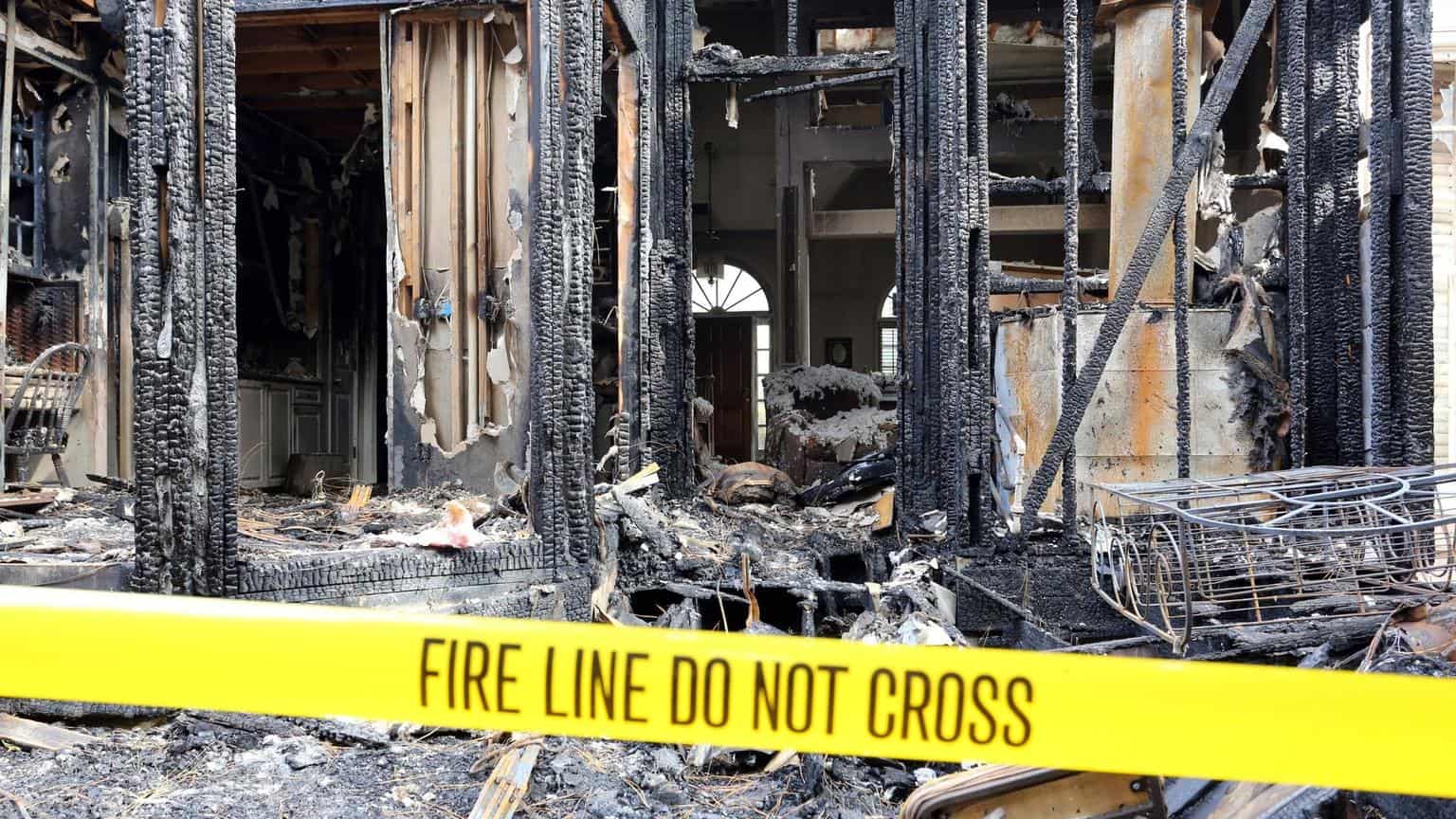
Understanding Fire Damage: A Guide to Recovery
Experiencing a fire on your property can be overwhelming, leaving you unsure of where to begin. Assessing the extent of the destruction is a critical first step to reclaiming your space and peace of mind. Whether it’s lingering smoke residue or significant structural concerns, knowing the severity helps prioritize what comes next.
Why Early Evaluation Matters
Getting a handle on property damage early can save time, money, and stress. A quick evaluation—whether through a guided tool or professional help—lets you categorize issues like smoke stains versus compromised walls or beams. This clarity shapes your recovery plan, ensuring you tackle urgent tasks first. For instance, smoke might need specialized cleaning, while structural problems demand expert intervention.
Taking Action After a Fire
Once you’ve gauged the impact, actionable steps are vital. Start by documenting everything for insurance purposes, especially if belongings are lost. Reach out to trusted contractors if rebuilding is needed, and don’t overlook safety hazards in the aftermath. Tools that help with post-fire evaluation can offer tailored advice, making the process less daunting. Remember, while digital resources are handy, they’re a complement to—not a replacement for—on-site expertise from certified professionals.
FAQs
How accurate is this fire damage assessment tool?
This tool provides a general estimate based on the information you input, like the area affected and type of damage. It’s designed to give you a starting point with a priority rating and actionable steps. That said, it’s not a substitute for a professional inspection—think of it as a guide to help you prepare for those next conversations with experts.
Can this tool help with insurance claims after a fire?
Yes, it can be a helpful first step! If you indicate that personal belongings were affected, the tool includes specific actions for documenting losses and starting the claims process. While it won’t file a claim for you, it’ll point you in the right direction with tips on inventory and contacting your insurer.
What should I do if the damage is rated as high priority?
A high priority rating usually means major structural damage, so safety is key. The tool will recommend immediate steps like securing the area, avoiding entry until it’s deemed safe, and contacting a structural engineer or contractor. Don’t delay on these—reach out to professionals as soon as you can to prevent further issues.


