
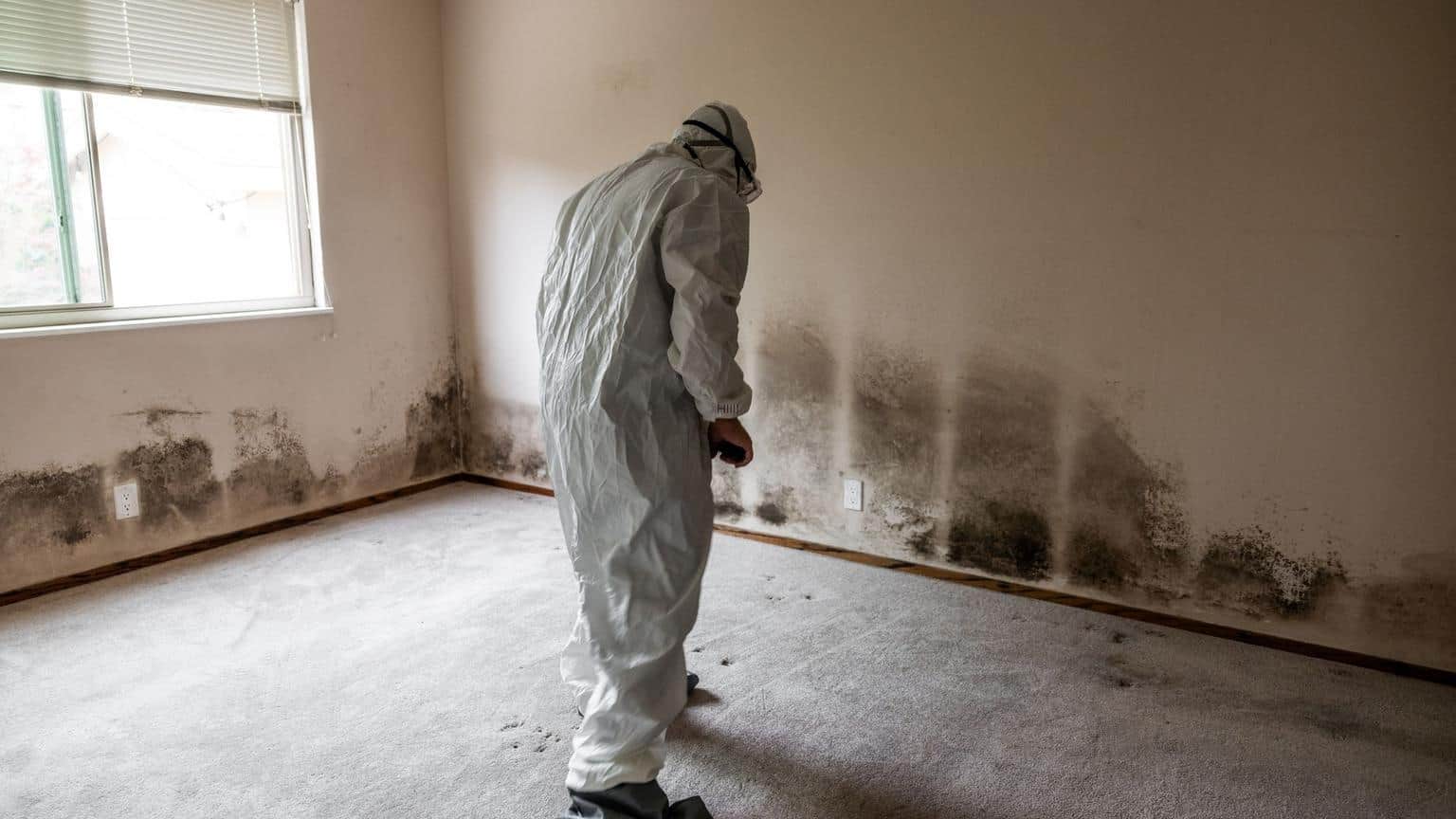
Mold is a common household issue that thrives in damp, poorly ventilated spaces. It releases airborne spores and compounds that can harm indoor air quality and trigger health problems. Here’s what you need to know:
- Health Risks: Mold can cause allergies, asthma flare-ups, and respiratory issues. Symptoms include sneezing, nasal congestion, itchy eyes, and coughing.
- Where It Grows: Mold is often found in basements, bathrooms, kitchens, or anywhere with moisture or leaks.
- Air Pollution: Mold spores and odors (caused by microbial compounds) degrade indoor air quality, especially in spaces with poor airflow.
- Prevention: Keep humidity below 50%, fix leaks quickly, and ensure proper ventilation.
- Removal: For large infestations, professional mold remediation is recommended. Costs range from $500 to $6,000 depending on severity.
Mold not only affects your health but can also reduce property value and lead to expensive repairs. Addressing it early is key to maintaining a safe and comfortable indoor environment.
Health Problems from Mold Exposure
Mold Allergies: Symptoms and Triggers
Mold exposure can take a toll on health, especially for those prone to allergies. The symptoms caused by mold allergies often mimic hay fever. Think sneezing, a runny or stuffy nose, itchy or watery eyes, nasal congestion, coughing, postnasal drip, an itchy throat, or even skin rashes. Unlike seasonal allergies, mold-related symptoms can persist year-round, especially indoors. They tend to worsen in damp or poorly ventilated areas like basements, attics, crawl spaces, bathrooms, and kitchens.
Older buildings with water damage or ongoing moisture problems are prime spots for mold growth. Mold thrives on surfaces like rotting wood, fallen leaves, and even inside HVAC systems, making it a common culprit for indoor air contamination. If you suspect mold is affecting your health, keeping a two-week log of where you spend time and when symptoms flare up can help pinpoint specific triggers.
Asthma and Mold: A Dangerous Mix
For people with asthma, mold exposure can be especially risky. Mold spores can worsen asthma symptoms, leading to wheezing, coughing, chest tightness, and even severe asthma attacks. When inhaled, these spores can inflame and narrow the airways, causing breathing difficulties that may linger long after the initial exposure. In some cases, prolonged exposure can lead to a serious lung condition called allergic bronchopulmonary aspergillosis, which requires immediate medical attention.
Children with asthma are particularly vulnerable. Spending time in damp, poorly ventilated areas like basements or school buildings can increase the frequency and severity of asthma attacks. To manage this, healthcare providers might adjust medications, such as prescribing inhaled corticosteroids, and recommend precautions like wearing dust masks in environments where mold exposure is likely.
Who Is Most at Risk from Mold Exposure
While mold exposure poses risks for everyone, some groups are more vulnerable than others. These include children, the elderly, pregnant women, and individuals with weakened immune systems or pre-existing respiratory conditions.
- Children: Their developing immune and respiratory systems, combined with higher breathing rates, make them more susceptible to inhaling mold spores relative to their body weight. Kids also tend to play in areas like basements or crawl spaces, where mold is often present.
- Elderly Individuals: Aging can weaken immune function, making it harder for seniors to handle allergens and irritants. Many older adults also have underlying health conditions or take medications that can further compromise their immune systems.
- Pregnant Women: Expectant mothers are more prone to respiratory issues due to physiological changes like increased breathing rates and altered immune responses. Mold exposure can pose risks to both maternal and fetal health, so extra caution is advised.
- People with Compromised Immune Systems: Those undergoing treatments like chemotherapy or living with chronic illnesses are at the highest risk. In some cases, extended exposure to mold-contaminated environments has led to serious lung infections.
Even individuals without mold allergies can feel the effects. Mold spores and microbial volatile organic compounds (mVOCs) can irritate the eyes, nose, throat, or skin, and may cause mild respiratory discomfort.
These health concerns highlight why addressing mold problems quickly is so important. Taking action to remove mold can make a big difference in protecting overall health.
Finding and Testing for Mold in Your Property
Common Signs of Mold Problems
Catching mold issues early can save you from expensive repairs and potential health risks. One of the most apparent indicators is visible mold growth on walls, ceilings, or floors. This growth can appear in various colors – black, green, brown, or white – and often has a fuzzy or slimy texture.
Focus your attention on areas prone to moisture, such as bathrooms, basements, kitchens, and spaces near windows. Watch for water stains, peeling or bubbling paint, or any signs of dampness or condensation. Don’t forget to look under sinks, behind furniture, and around leaking pipes.
Even if you don’t spot mold, a persistent musty smell could be a red flag for hidden mold. It might be lurking behind walls, under flooring, or even inside your HVAC system. These odors are caused by microbial volatile organic compounds (mVOCs) released during mold growth. If you notice these signs or odors without any visible mold, it’s time to consider professional testing.
Professional Mold Inspections and Testing
If you suspect mold but can’t pinpoint its source, a professional inspection is your best bet. Certified mold inspectors use advanced tools to locate hidden mold and measure the severity of the problem. Their methods often include:
- Air sampling to evaluate the concentration of mold spores in the air.
- Surface sampling to identify mold types on visible surfaces.
- Bulk sampling to analyze materials for internal mold growth.
- Thermal imaging to detect moisture behind walls.
These techniques deliver accurate data, helping to guide effective cleanup efforts. Professional inspections are especially critical for large infestations, potential toxic mold, or when unexplained health issues arise. According to the Asthma and Allergy Foundation of America, indoor air can be 2 to 5 times more polluted than outdoor air, with mold being a significant contributor.
Air Quality Monitoring Tools
For homeowners aiming to keep their indoor environment healthy, air quality monitors are a game-changer. These devices track mold spore levels, humidity, and other pollutants in real time, acting as an early warning system for mold issues.
Affordable models, priced between $100 and $300, can send real-time alerts when mold spore counts or humidity levels exceed safe thresholds. This allows you to address small issues before they spiral into major problems. Advanced monitors, particularly smart models, even connect to your smartphone, offering continuous updates and alerts. Maintaining indoor humidity below 50% is crucial, as mold struggles to grow in drier conditions.
These monitors are particularly helpful in high-risk areas like basements or after water damage. They’re also great for verifying the success of mold remediation efforts, as they can show if spore levels are decreasing post-cleanup.
Here’s a quick comparison of detection methods:
| Method | DIY Approach | Professional Service |
|---|---|---|
| Visual Inspection | Limited to visible areas | Includes hidden/structural areas |
| Moisture Detection | Basic meters (less precise) | Advanced tools (thermal imaging) |
| Air Quality Testing | Consumer monitors | Lab analysis, spore traps |
| Cost | Lower upfront cost | Higher, but more thorough |
| Accuracy | Moderate | High precision and reliability |
The best strategy combines continuous air quality monitoring with professional services. Use air quality monitors to keep tabs on your home’s environment, and if you detect elevated spore counts or high humidity, bring in professionals for a deeper inspection.
For those in Colorado Springs, Old World Restoration and Carpet Cleaning offers expert mold inspections and air quality testing. Their IICRC-certified technicians use cutting-edge equipment to identify and address mold problems, with same-day emergency services available when you need them most.
Mold Removal and Prevention Methods
Professional Mold Removal Services
When mold covers more than 10 square feet or infiltrates HVAC systems, professional remediation becomes essential. Experts follow a detailed process: they isolate the affected areas to prevent spore spread, remove contaminated materials, and clean and sanitize surfaces with EPA-approved products. They also address the root cause of moisture using HEPA filtration systems and protective gear to ensure safety throughout the process.
Research indicates that professional mold remediation can lower airborne spore counts by up to 90%, especially when paired with proper moisture control. This significant reduction in spores often provides immediate relief for individuals dealing with mold-related allergies or respiratory challenges.
Old World Restoration and Carpet Cleaning, a family-owned business in Colorado Springs, has been tackling mold issues since 1977. Their IICRC-certified technicians use truck-mounted equipment and adhere to strict industry standards to ensure thorough mold removal. They offer same-day emergency services and work with insurance, making them a reliable choice for both homes and businesses in El Paso County.
In one instance, Old World Restoration and Carpet Cleaning effectively cleared mold from a flooded basement. They contained the area, removed contaminated materials, and installed dehumidifiers. Follow-up tests showed improved air quality, and the homeowners reported relief from allergy symptoms.
Professional mold remediation costs generally range from $500 to $6,000, depending on the severity of the infestation and the size of the affected area. While this might seem like a significant investment, it often pays off by improving health and preventing costly structural damage. After remediation, keeping mold at bay requires diligent moisture control.
Preventing Mold Growth Through Moisture Control
Controlling moisture is key to preventing mold growth. Mold thrives in damp conditions, so keeping indoor humidity below 50% is critical. You can achieve this with dehumidifiers, air conditioning, or proper ventilation. For accurate monitoring, digital hygrometers – available for $10 to $30 – can help track humidity levels across your home.
Address water damage quickly – ideally within 24-48 hours – to stop mold before it takes hold. Having access to reliable emergency services can be a lifesaver when dealing with unexpected leaks or flooding.
Improving ventilation in moisture-prone areas like bathrooms, kitchens, and laundry rooms is another effective strategy. Exhaust fans, open windows (when weather permits), and proper drainage around your home’s foundation can all help reduce excess humidity.
Regular inspections of basements, crawl spaces, and attics are also important. These areas are prone to condensation caused by temperature fluctuations, which can lead to mold if left unchecked. Ongoing maintenance ensures these efforts remain effective.
Regular Maintenance to Prevent Mold
Beyond immediate remediation and moisture control, consistent maintenance is vital for long-term mold prevention. Combining professional cleaning services, quick responses to water damage, and routine inspections creates a strong defense against mold.
Regular carpet cleaning is especially important in damp areas like basements, as it removes moisture and organic matter that mold can feed on. Professional carpet cleaning typically costs between $100 and $300 per session and contributes to better indoor air quality.
Air duct cleaning is another essential service. HVAC systems can accumulate dust, debris, and mold spores, which may spread throughout your home. Cleaning these ducts ensures cleaner air circulation and reduces the risk of mold spreading.
Water damage restoration should be addressed immediately after incidents like flooding or pipe bursts. Even minor water issues can escalate into significant mold problems if not handled properly. Professional restoration services have the tools and expertise to thoroughly dry affected areas, preventing mold from taking root.
Old World Restoration and Carpet Cleaning offers a range of maintenance services, including carpet cleaning, air duct cleaning, and water damage restoration. Their all-in-one approach simplifies mold prevention for property owners. With 24/7 emergency availability, they can respond quickly to water damage, helping to avoid mold-friendly conditions. These services not only eliminate existing mold but also protect your indoor air quality for the future.
| Maintenance Service | Frequency | Cost Range | Mold Prevention Benefit |
|---|---|---|---|
| Professional Carpet Cleaning | Every 6-12 months | $100-$300 | Removes moisture and organic matter |
| Air Duct Cleaning | Every 3-5 years | Contact for quote | Prevents spore circulation |
| Water Damage Response | Immediate | $500-$6,000+ | Eliminates moisture source |
| Humidity Monitoring | Daily | $10-$30 (equipment cost) | Early warning system |
The secret to effective mold prevention lies in combining these maintenance practices with a proactive approach to moisture issues. Homeowners who invest in regular upkeep and work with dependable service providers, like Old World Restoration and Carpet Cleaning, experience fewer mold problems and enjoy cleaner, healthier indoor environments year-round.
sbb-itb-401327a
Conclusion: Protecting Your Air Quality and Health
Key Points to Remember
Mold exposure can seriously impact your health. Around 10% of Americans are allergic to mold, with even higher rates among individuals with asthma or other respiratory issues. Symptoms can range from mild discomfort – like sneezing and itchy eyes – to severe breathing problems, especially for those who are more vulnerable.
Keeping indoor humidity below 50% is crucial to preventing mold growth. Tools like dehumidifiers and air conditioning systems play an essential role in this effort [2, 19]. As mentioned earlier, identifying mold early and addressing it promptly is key to minimizing its impact.
Professional remediation is highly effective in reducing airborne mold spores, offering relief for those dealing with mold-related health issues. Regular upkeep – such as fixing leaks quickly, using HEPA air purifiers, and scheduling professional inspections – helps protect your health and preserves your home’s value.
Expert assistance ensures these measures are implemented effectively, creating a safer and healthier living environment.
How Old World Restoration and Carpet Cleaning Can Help
Putting these strategies into action often requires professional help. Old World Restoration and Carpet Cleaning has been a trusted name in Colorado Springs since 1977. Their IICRC-certified technicians are available 24/7 to address moisture problems before they escalate.
Their comprehensive services tackle both immediate mold removal and long-term prevention. Using truck-mounted equipment and specialized containment techniques, they ensure thorough remediation while limiting the spread of mold spores. They also provide air duct cleaning and indoor air quality services to address hidden mold in HVAC systems, a common source of recurring issues.
As a family-owned business serving El Paso County, they simplify the restoration process by working directly with insurance companies. Their ongoing maintenance services further protect your indoor air quality, as outlined earlier.
If you’re dealing with visible mold, musty odors, or allergy symptoms, Old World Restoration and Carpet Cleaning offers free estimates and expert advice. With their rapid emergency response, certified techniques, and long-term maintenance solutions, they provide everything you need to safeguard your family’s health and improve your home’s air quality.
How Does Mold Affect Indoor Air? – CountyOffice.org
FAQs
How can I detect mold in my home if I don’t see any visible signs?
Mold has a sneaky way of thriving in spots you might not easily spot – behind walls, beneath carpets, or tucked away in HVAC systems. Even if you don’t see it, you might pick up on clues like a lingering musty smell, worsening allergy symptoms (think sneezing or watery eyes), or unexplained breathing troubles. These signs could point to mold hiding out of sight.
If you suspect mold but can’t pinpoint its location, it’s worth bringing in professionals for inspection and testing. They can uncover hidden mold and evaluate how it’s affecting your home’s air quality, helping to keep your living space safe and healthy.
How can I prevent mold growth in humid areas like bathrooms and basements?
To keep mold at bay in areas with high humidity, it’s all about managing moisture. Start by using a dehumidifier to maintain humidity levels below 50%. Make sure your space is well-ventilated – turn on exhaust fans or crack open windows whenever you can. Also, don’t forget to regularly clean and thoroughly dry spots that are prone to dampness, like shower walls or basement floors.
Take care of leaks or water damage right away since standing water is a fast track to mold growth. You might also want to use mold-resistant paint or materials in places that often get damp. Tackling moisture problems early not only helps keep the air fresh but also minimizes the chance of mold-triggered allergies.
Why should you hire professionals for large mold infestations, and what does the remediation process involve?
Professional mold remediation is crucial when dealing with larger infestations. Mold has a knack for spreading quickly, posing risks to both your health and the air quality in your home. Professionals bring the right tools, expertise, and certifications to not only remove the mold safely but also ensure it doesn’t make a comeback. Trying to tackle a significant mold problem on your own often results in incomplete removal and could expose you to health hazards.
Here’s what happens during professional remediation: experts will evaluate the extent of the mold growth, isolate the affected area to stop it from spreading further, and use specialized equipment to remove it safely. They’ll also address the root cause – usually a moisture problem – to help keep mold from returning. By relying on trained professionals, you can reclaim a clean and healthy living space while boosting your home’s indoor air quality.


