
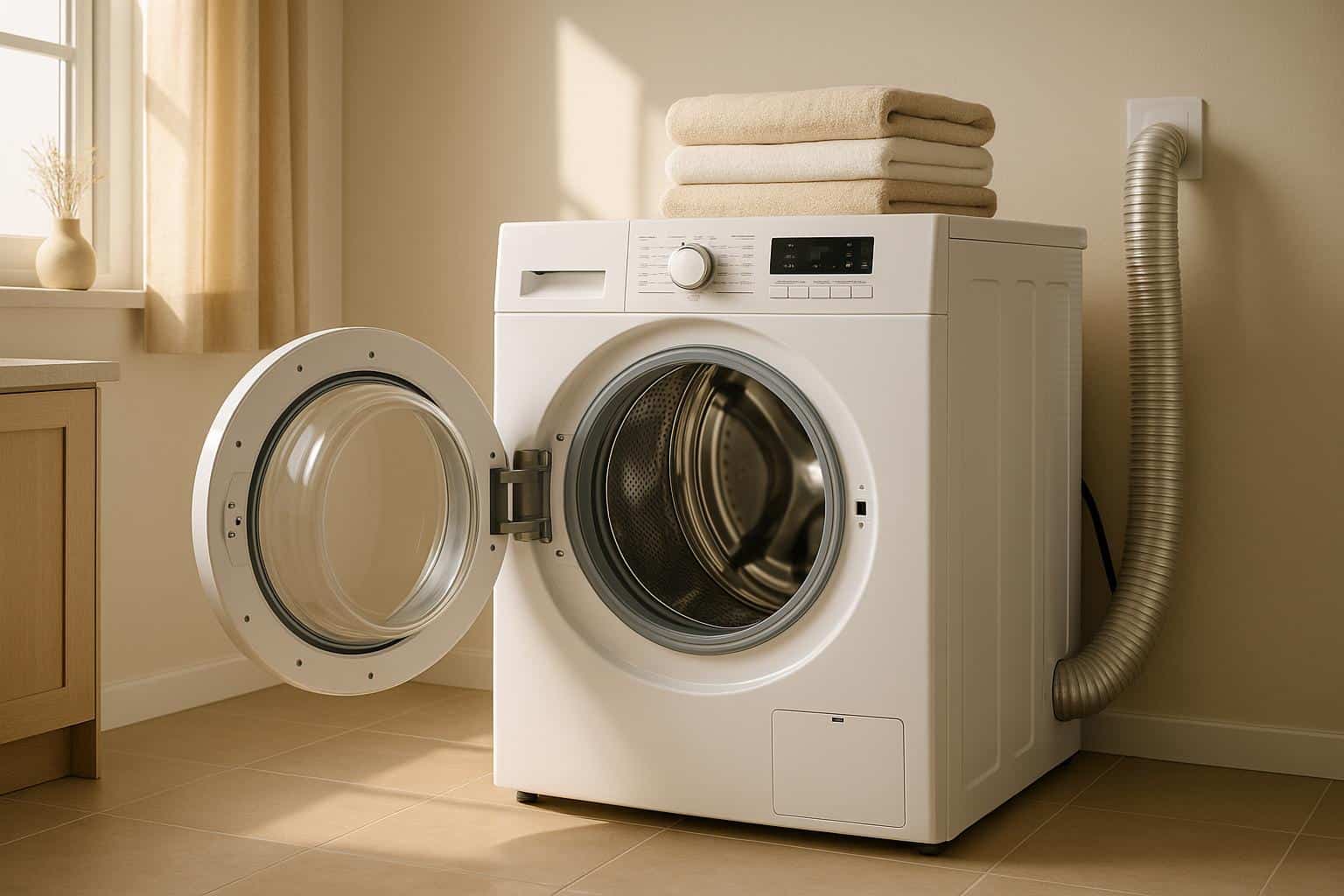
Dirty dryer vents cause 2,900 home fires annually in the U.S., costing $35 million in damages. A clogged vent also makes your dryer work harder, increasing energy bills by up to 30% and creating health risks like carbon monoxide leaks and mold growth.
Key Warning Signs Your Dryer Vent Needs Cleaning:
- Longer drying times
- Burning smells or musty odors
- Hot dryer exterior or laundry room
- Visible lint buildup
How Often Should You Clean It?
- Light use (1-10 ft vent): Every 3 years
- Medium use (3-5 loads/week): Every 2 years
- Heavy use or long vents (20+ ft): Annually
- Large families or pet owners: Every 6 months
Professional cleaning costs $100-$200 but prevents fires and extends your dryer’s life. DIY kits are also available, but call a pro for complex vent systems or persistent issues.
Actionable Tips:
- Clean the lint trap after every load.
- Schedule vent cleaning annually or more often based on usage.
- Watch for warning signs to avoid hazards.
Don’t wait for a disaster – regular maintenance ensures safety, better performance, and lower bills.
Dryer Vent Cleaning – Start to Finish | How to Clean Your Dryer Ducts and Vents |
Warning Signs of a Dirty Dryer Vent
Keeping your dryer vent clean isn’t just about efficiency – it’s about safety too. Spotting the signs of a clogged vent early can save you from higher energy bills, potential hazards, and expensive repairs.
Longer Drying Times
If your usual 45-minute drying cycle suddenly stretches into multiple cycles, your dryer vent might be clogged with lint and debris. Restricted airflow forces the dryer to work harder, which not only wastes energy but also shortens the lifespan of your appliance.
Strange Smells and Excessive Heat
Be on the lookout for these red flags:
- A burning smell while the dryer is running
- Musty odors lingering on your clothes after drying
- The laundry room feeling hotter than usual
- The dryer’s exterior becoming unusually hot
If you detect a burning smell, stop using the dryer immediately and unplug it. This could indicate a serious issue, such as lint buildup causing overheating.
Visible Lint Buildup
Inspect areas around the lint filter, behind the dryer, and near the vent exit outside your home. Excessive lint accumulation is not just a nuisance – it’s a fire hazard. According to fire safety data, dirty dryer vents are responsible for 34% of home clothes dryer fires. Each year, approximately 2,900 of these incidents cause an estimated $35 million in property damage.
Regular maintenance can help you avoid these risks while keeping your dryer running efficiently.
How Often to Clean Your Dryer Vent
Keeping your dryer vent clean is essential for both safety and efficiency. How often you should clean it depends on factors like household size, laundry habits, and the vent’s design.
Standard Cleaning Schedule
For most households, cleaning the dryer vent once a year is a good rule of thumb. In fact, many manufacturers require annual cleaning to keep warranties valid.
Here’s a quick guide based on vent length and usage:
| Usage Level & Vent Length | Recommended Cleaning Frequency |
|---|---|
| Light Use, Short Vent (1-10 ft) | Every 3 Years |
| Medium Use (3-5 loads/week) | Every 2 Years |
| Heavy Daily Use, Long Vent (20+ ft) | Annually |
| Condos/Multi-Family Units | Annually |
When You Should Clean More Often
Certain situations may require more frequent cleaning:
- Large families doing multiple loads daily: every 6 months.
- Pet owners: lint traps can’t catch all the hair and dander, so clean vents every 6 months.
- Heavy bedding users: clean every 3-6 months because bulky items produce more lint.
- Complex vent systems: if your vent has multiple bends or long runs, clean it more often.
"Failure to clean (31%) was the leading factor contributing to the ignition of clothes dryer fires in homes from 2018‑2020." – National Fire Incident Reporting System
Cleaning Requirements for Businesses
For commercial settings, regular maintenance is even more critical due to higher usage and stricter safety standards:
- Laundromats and commercial facilities: inspect monthly, clean quarterly.
- Apartment complexes: clean at least once a year.
- Hotels and hospitality: quarterly cleaning is recommended.
- Healthcare facilities: inspect monthly and clean every 3-4 months.
It’s worth noting that lint filters only catch about 90-95% of lint, so routine vent cleaning is a must for preventing buildup. For businesses, sticking to these schedules ensures both safety compliance and peak performance.
sbb-itb-401327a
Problems from Dirty Dryer Vents
Skipping regular dryer vent maintenance can lead to several issues, including safety hazards, increased energy costs, and even health problems.
Fire and Safety Risks
Did you know that roughly 13,820 home fires every year are caused by clothes dryers? Even more alarming, 27% of these fires are linked to lint buildup. These incidents result in about 7 deaths, 344 injuries, and $233 million in property damage annually.
"Clean the lint from the dryer’s lint screen after every load. This helps prevent a fire, and it also helps your laundry dry faster." – Richard Handel, Engineer at Consumer Reports
For gas dryers, the risks can be even greater. Blocked vents can trap exhaust gases, leading to dangerous carbon monoxide buildup. These issues not only threaten your safety but can also take a toll on your home’s air quality and finances.
Higher Energy Bills
Dryers already account for about 6% of household energy use, but a clogged vent can make matters worse. When airflow is restricted, your dryer works harder and longer, driving up your energy bills. Regular maintenance can help you avoid these unnecessary expenses.
Mold Growth
A blocked dryer vent can hold onto moisture, creating the perfect environment for mold and mildew to grow. This not only reduces your dryer’s efficiency but also introduces potential health risks. Mold in dryer vents can cause:
| Health Impact | Symptoms |
|---|---|
| Respiratory Issues | Difficulty breathing, coughing |
| Allergic Reactions | Itching, eye irritation |
| General Discomfort | Headaches, nausea, dizziness |
"Trapped heat and humidity from a dirty dryer create perfect mold and mildew build-up conditions. Mold spores in the air don’t only result in musty odors, but they also expose you and your family to serious health risks." – A-Z Air Duct
The solution? Regular inspections and professional cleanings. Aim to have your dryer vent cleaned at least once a year to keep things running smoothly and safely.
Cleaning Methods: DIY vs Professional
DIY Cleaning Tools
If you’re tackling dryer vent cleaning on your own, you’ll need a few key tools. These include flexible brushes, a vacuum with a hose attachment, a dryer vent snake, and possibly a compressed air kit. Costs for these tools can range from $59 to $86, while more advanced kits may go up to $510.
| Tool | Purpose | Average Cost |
|---|---|---|
| Vacuum with Hose Attachment | Remove loose lint and debris | (Using an existing vacuum) |
| 25-ft Dryer Vent Snake | Clear blockages | $59.00 |
| 5-inch Nylon Brush | Clean vent openings | $46.00 |
| Compressed Air Kit | Force out stubborn debris | $86.00 |
These tools are great for routine maintenance, but if blockages persist, it might be time to call in the pros.
When Professional Help Is Necessary
Sometimes, DIY efforts just aren’t enough. According to the U.S. Consumer Product Safety Commission, over 15,000 dryer fires happen each year in the U.S., with blocked vents being a major culprit. Professional cleaning is often the safest and most effective solution, especially in these situations:
- The vent system has multiple bends or turns
- The vent exceeds 25 feet in length
- Performance issues persist after cleaning
- Mold is visible inside the vent
- The vent is hard to reach or access
Old World Restoration Services
For expert cleaning, Old World Restoration and Carpet Cleaning in Colorado Springs offers specialized dryer vent services to eliminate clogs and reduce fire risks. Their comprehensive approach includes:
- A full system inspection
- Cleaning with professional-grade rotary brushes
- Use of truck-mounted vacuum systems
- Video inspections to check for hidden issues
- Final airflow testing to ensure proper function
- 24/7 emergency services
Professional dryer vent cleaning typically costs between $100 and $200. While it’s an investment, it can help you avoid expensive repairs and minimize fire hazards. Beyond removing lint, professional services can identify duct damage or improper installations, giving you peace of mind.
Conclusion
Keeping your dryer vent clean is more than just a maintenance task – it’s a crucial step toward ensuring safety and efficiency. Statistics reveal that dryer fires make up 4% of home fires, with 32% of those linked to neglected vents. Beyond safety, a clogged vent can force your dryer to work up to 30% harder, reducing its efficiency and lifespan.
Dryers account for about 5.8% of residential electricity consumption. A clean vent not only prevents unnecessary energy use but also saves you money over time. Experts emphasize the importance of this upkeep:
"Regular dryer vent cleaning is not just about keeping your appliance running smoothly; it’s a critical safety measure that protects your home and family." – Mike Haines, HVAC Wholesaler
Here are some actionable steps to protect your home and maximize your dryer’s performance:
- Clean the lint trap after every load.
- Schedule professional vent cleaning at least once a year.
- Be alert to warning signs like extended drying times or overheating.
- For expert help, reach out to Old World Restoration and Carpet Cleaning, offering professional services and 24/7 emergency support.
Don’t wait for warning signs to appear. With over 13,000 household dryer fires reported in 2019, regular maintenance is a must. Trust Old World Restoration and Carpet Cleaning to provide thorough dryer vent cleaning that protects your home and keeps your dryer running efficiently.
FAQs
What are the dangers of a clogged dryer vent, and how can you avoid them?
A clogged dryer vent isn’t just an inconvenience – it can pose serious safety risks, including the potential for house fires. Lint, which is highly flammable, can accumulate in the vent, creating a dangerous fire hazard. To put it into perspective, thousands of dryer-related fires happen in the U.S. annually, often due to neglected vent maintenance. Beyond safety concerns, a blocked vent makes your dryer work harder, driving up energy bills and risking damage to your clothes from overheating.
To keep your home safe and your dryer working efficiently, make it a habit to clean the lint trap after every use. It’s also a good idea to schedule professional vent cleanings at least once a year. Watch for warning signs like longer drying times, excessive heat, or unusual odors, as these could signal a blockage. Lastly, ensure your dryer vent is installed correctly and maintained regularly to prevent problems before they start.
How does the size and design of your dryer vent system impact how often and how you should clean it?
The size and layout of your dryer vent system significantly affect how often it needs cleaning. Longer vents or those with several bends tend to accumulate lint and debris more quickly. In these cases, cleaning every 3 to 6 months is recommended to ensure both safety and efficiency.
If your vent system is more complex, it might be trickier to access and clean thoroughly. For such setups, you may need specialized tools or even professional help to get the job done right. Keeping your dryer vent well-maintained not only reduces fire risks but also helps your dryer work more efficiently, saving you both time and energy.
Why is hiring a professional better than cleaning your dryer vent yourself?
Hiring a professional to clean your dryer vent comes with some key advantages that DIY methods simply can’t match. For starters, professionals bring specialized tools and the know-how to clear not just the surface lint but also the deeper blockages that could pose serious risks. In fact, the U.S. Fire Administration reports that clogged dryer vents are one of the top causes of approximately 2,900 dryer fires each year. This makes thorough cleaning not just a good idea but a critical safety measure.
Another benefit of professional services is their adherence to safety standards and local building codes – something often overlooked with DIY approaches. This level of care doesn’t just enhance safety; it also boosts your dryer’s efficiency. A clean vent allows your machine to use less energy, which could lead to noticeable savings on your utility bills while potentially extending the life of your appliance. While cleaning the vent yourself might seem like a cheaper option upfront, the added safety, convenience, and long-term benefits make hiring a professional a wise choice.
Related Blog Posts
- 5 Essential Steps for Fire Damage Restoration
- Air Duct Cleaning Cost Guide: What to Expect
- Professional vs DIY Carpet Cleaning: A Cost Comparison
- Emergency Water Damage: First 24 Hours Response Guide


